


The keys to being an awesome leader
Are people really leaving because of salary or are they leaving their leaders?
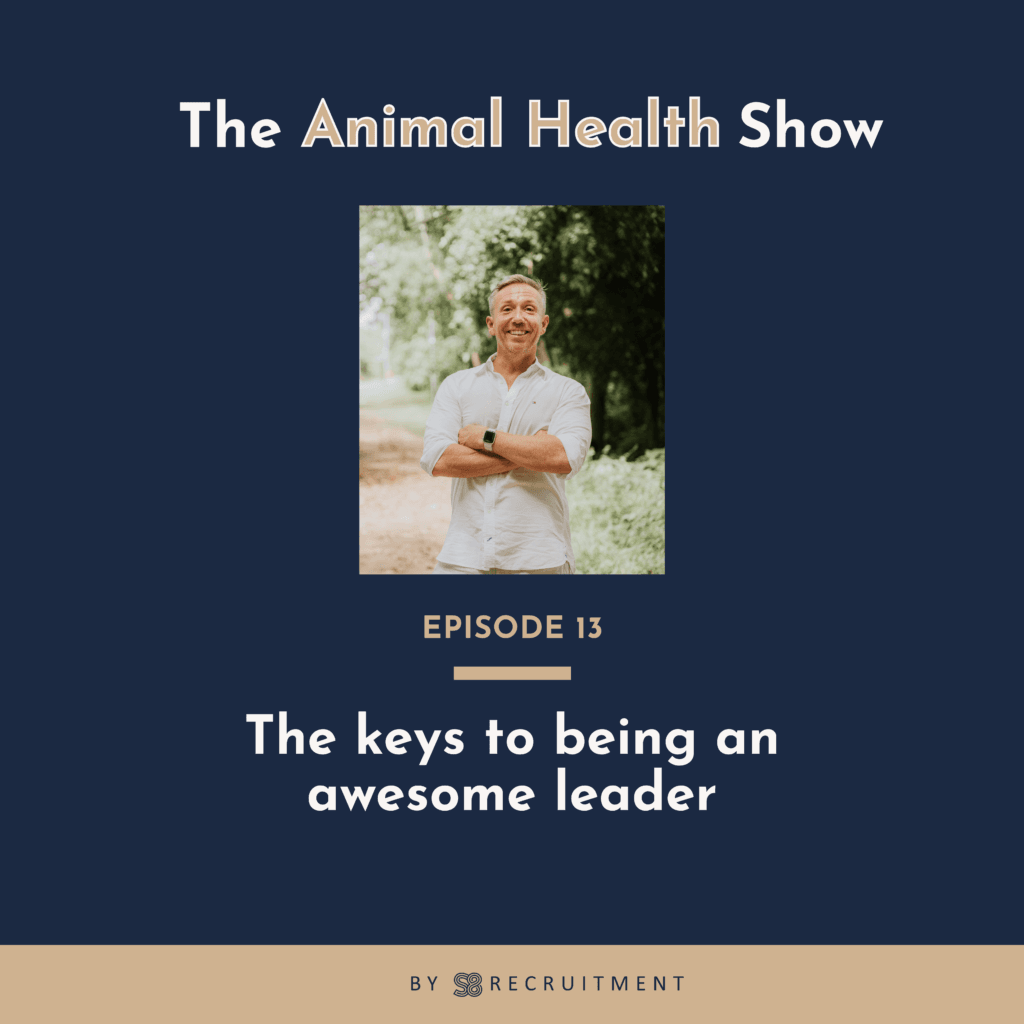
In this episode of The Animal Health Show by s8 Recruitment, Shannon Wood shares the key leadership qualities that build stronger cultures, improve retention, and help people feel respected, supported, and valued.
SHOW NOTES
TRANSCRIPT
* Transcript created by AI – may contain errors or omissions from original podcast audio
Welcome back to The Animal Health Show. One of the biggest myths in business is that people leave because of salary. Look, total remuneration certainly matters. After years of recruiting across the animal health industry, I can tell you that one factor comes up again and again: people leave leaders. The great news is that leadership is something every one of us can improve.
In today’s episode, I’m sharing some of the leadership qualities I’ve consistently seen in organizations with incredible cultures and high staff retention. Whether you’re leading a team of three or 300, these practical things you can start implementing immediately to become the kind of leader people genuinely enjoy working for.
Let’s dive in.
Welcome to The Animal Health Show by S8. I’m your host, Shannon Wood, and this is where we talk about the latest trends shaping the animal health industry. We’ll be sitting down with leading voices from across the sector, sharing practical insights to help you grow your animal health business, build a stronger team, or land your dream role.
If you’re looking for your next dream job or you’re ready to hire your next standout team member, reach out to us at S8 Expert Recruitment Solutions. You’ll find our contact details in the show notes for today’s episode. All right, let’s talk animal health
As a recruiter, one of the things I’ve seen over and over again is people rarely leave jobs. More often than not, they leave managers. Of course, there are some exceptions. Sometimes people relocate, sometimes they want career progression, and sometimes, look, salary is a factor. But if you ask recruiters, what we hear often from candidates is that they didn’t feel supported by their leader.
The exciting part about that, it’s actually something you can influence. If you want to improve retention, create stronger culture, and build a team that genuinely enjoys coming to work, leadership is one of the biggest levers you’ve got. So today, I wanted to share some of what I’ve observed over many years working with employers across the animal health industry, and the thing I consistently see in leaders that people genuinely enjoy working for, the first one is communication.
Now, I know it sounds obvious, but it’s probably one of the hardest things to consistently get right. Great communication starts long before there’s ever a problem. It starts with setting expectations. Does every member of your team know exactly what’s expected of them?
Do they know what success looks like? Do they, I don’t know, understand what they’re accountable for? Have you agreed on goals together? Are those goals written down? Are they reviewed regularly? One of the most frustrating things for employees is shifting goalposts. If success keeps changing, people feel like they’re constantly chasing something they can never achieve.
Great leaders remove ambiguity. They provide clarity. Regular one-on-one meetings and performance reviews shouldn’t just happen when something goes wrong. They should be ongoing. Conversations where people know what’s working, where they can improve, and what they’re working towards next. Another part of communication that often gets overlooked is visibility.
My wife once took on a volunteer leadership role. She was also running a business and raising a family. She was working incredibly hard behind the scenes. She was negotiating pay rises for the paid team members, improving the commercial sustainability of the organization, meeting with politicians and making strategic decisions.
But the feedback she kept hearing was, “We never see you.” It was a really interesting lesson because the work was absolutely happening. The problem wasn’t effort. The problem was visibility. The people she was leading couldn’t actually see everything she was doing She even admitted that sometimes she would avoid dropping in because she knew it would turn into a one-hour conversation with lots of people, and she simply didn’t have the time.
Leadership isn’t just about doing the work, it’s also about being seen. People wanna see a CEO walking around. They want you to stop and ask how they’re doing. They want to know you’re approachable. They want to feel connected to the leadership team. Sometimes five minutes of a face-to-face interaction is worth far more than another email.
Speaking of feedback, this is another area where great leaders really stand out. I honestly don’t think you can overdo genuine praise. People love knowing they’re doing a good job. It doesn’t stop once you become experienced or moves into leadership roles themselves. Recognition matters. Celebrate wins publicly when appropriate.
But look, when it comes to constructive feedback, always have those conversations privately. And when you do give feedback, make it very specific. Don’t simply tell someone they need to communicate better, to help out more. Instead, explain exactly what that would look like. The more specific the feedback, the more likely someone is to improve.
Another thing I encourage great leaders to do is communicate often. Don’t assume that because you’ve said something once, everybody remembers it Send regular updates, share newsletters, let people know what’s happening across the business. People genuinely appreciate knowing what’s going on rather than trying to fill in the gaps themselves.
That leads nicely into another leadership quality: transparency. You don’t have to tell your team absolutely everything, but sharing where the business is heading, what the priorities are, why decisions are made, being made, helps people feel part of the journey. People cope much better with change when they understand the reasons behind it.
So look, transparency also applies to how you work. If you hate email and prefer Microsoft Teams or text messages, tell people. If you’re someone who switches off after 6:00 PM, communicate that. The clearer you are about your communication style and boundaries, the easier it is for your team to work with you.
Another quality I really admire is great leaders is consistency. People don’t expect leaders to be perfect. What they do expect is consistency. If one day you’re approachable and encouraging, and the next day you’re short-tempered and unpredictable, your team never quite knows which version of you they’re gonna get.
Consistency builds trust, and trust is one of the foundations of great leadership. The next one is empowerment. One mistake I see some leaders make is trying to solve every problem themselves. The best leaders don’t create dependence, they create capability. Instead of immediately giving people the answers, ask them, “Why do you think we should do X?”
Encourage people to make decisions. Allow them to take ownership. People stay in organizations where they feel they’re growing, not just follow instructions. Another important one is leading by example. So if you expect your team to be accountable, you need to be accountable. If you expect people to communicate respectfully, you need to communicate respectfully.
If you want people to embrace change- You need to model that behavior yourself. And culture starts at the top. Your team will always pay more attention to what you do than what you say. And finally, have fun. Work should absolutely be enjoyable. Celebrate milestones, laugh together, create moments that people remember, but make sure it’s always professional.
Nobody should ever feel uncomfortable or excluded because of workplace humor. And be mindful of creating social events that revolve entirely around excessive drinking or situations where people may feel pressured to participate. The best cultures are inclusive. Everyone should feel like they belong. At the end of the day, leadership isn’t about having all the answers, it’s about creating an environment where people feel respected, supported, challenged, and valued.
Because when people feel those things, they’re much more likely to stay, perform at a higher level, and become ambassadors for your organization. Thanks so much for tuning into today’s episode of The Animal Health Show. I look forward to chatting with you again next week.
Thanks so much for tuning in to today’s episode of The Animal Health Show by S8. If you found the value in this conversation, please share it with your colleague, an industry mate, or on social media so we can keep the discussions moving across the sector. If you’d like to get in touch, all of our details are in the show notes for today’s episode.
I thank you for listening, and I look forward to chatting with you again in the fortnight.
* Transcript created by AI – may contain errors or omissions from original podcast audio